


What Mistakes Might Homeowners Overlook Before Listing Their Property?
Sellers sometimes underestimate the importance of preparation before putting a property on the market. The most easily overlooked mistake is not addressing minor repairs or cleaning tasks. In a humid coastal environment like Destin, issues such as mildew on siding, rust on exterior fixtures, or sand tracked indoors can make a home seem neglected even if these are only surface concerns. Buyers regularly notice details like chipped paint, worn decks, or persistent odors. Tidying landscaping—removing storm debris or trimming overgrown vegetation—can noticeably lift curb appeal.
Similarly, failing to declutter and stage the home for showings limits its appeal. Residents who have lived in a property for years often do not realize how much personal decor or excess furniture might distract buyers. Neutral, uncluttered spaces appear larger, lighter, and more welcoming, especially in homes where maximizing the view or natural light is a key selling point.
Is Pricing Your Home Incorrectly a Frequent Issue?
Pricing too high or too low can both cost homeowners. Setting a price without local market research is one of the most common mistakes in Destin. Area conditions fluctuate throughout the year with seasonal demand—often peaking during spring and early summer. Owners who rely solely on online calculators, or who base price on what a friend’s house sold for, risk discouraging buyers or leaving money on the table.
It helps to review recent sales of similar properties, but even neighboring homes can differ in subtle ways that impact value, such as flood zone designation, build quality, or updates. Overpricing typically results in longer market times, after which buyers may wonder what is wrong with the property. Conversely, underpricing may create immediate interest but can limit the final sale proceeds, especially in competitive coastal neighborhoods.
How Can Neglecting Local Disclosure Rules Affect the Sale?
Not every seller is aware of their legal obligation to disclose certain property conditions. The state of Florida requires disclosure of known issues that can affect value, safety, or desirability—including previous flooding, hurricane damage, or the presence of mold. Areas like Destin, with its mix of vacation properties and full-time residences, see a variety of issues related to storms, salt air, and coastal humidity.
Failing to fully complete the seller’s disclosure packet or omitting information about past repairs, roof leaks, or drainage issues can delay the transaction and, in some cases, result in legal problems later. Buyers are often savvy about asking detailed questions, especially those relocating from other regions, so clarity and completeness on these forms can help smooth negotiations.
Are There Common Mistakes in Timing the Sale?
Trying to sell without taking into account the local market’s seasonality is a frequent problem. The city often sees shifts in buyer activity based on tourist seasons, school schedules, and weather conditions. Listing a home during the winter or in the wake of hurricane season might mean fewer interested buyers, while the period from late spring through summer generally sees higher traffic, particularly from those seeking vacation or second homes.
Unrealistic expectations about how quickly a property will sell can also lead to frustration. While high demand sometimes leads to rapid sales, even in strong markets, homes that are not priced correctly or are not in market-ready condition may linger longer than expected. Sellers who prepare for some flexibility in showing schedules and timing will find the process less stressful.
Does Limiting Home Access for Showings Hurt Sale Prospects?
Restricting access for buyer showings is a mistake that sometimes goes unnoticed until feedback reveals a pattern. In areas like Destin, where buyers may be visiting from out of town and have only a short window to view properties, limiting allowable viewing times or requiring too much notice can mean missed opportunities.
Making the home readily available—even on short notice or during weekends—can significantly broaden exposure. Homes that are difficult to view typically generate fewer offers or lose out to more accessible options.
How Do Photos and Online Presentation Affect Buyer Interest?
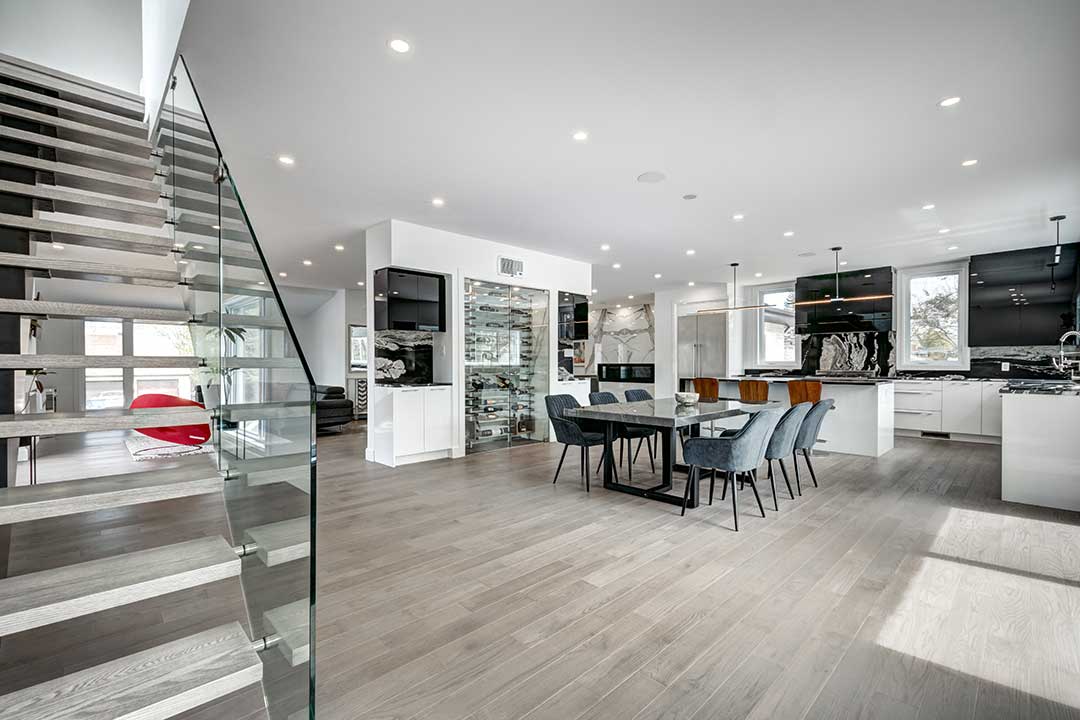
Poor visuals quickly reduce buyer interest, especially since most home searches begin online. Photos that are dark, cluttered, or fail to highlight key features like water views or outdoor living spaces do not convey the full appeal of many Destin properties.
Listing a home without adequate photos, or with cell phone snapshots that make spaces look smaller, is a frequently seen misstep. Sellers should aim for well-staged, well-lit images that highlight both the home’s best interior spaces and outdoor features—think decks, patios, landscaping, or proximity to natural attractions. This holds especially true in markets where lifestyle and curb appeal play a large role.
Are Repairs and Inspection Surprises a Real Risk?
Ignoring needed repairs or deferring inspection-related tasks can create trouble late in the process. Local humidity and storms can mean homes need frequent attention to HVAC, roofs, and exterior finishes. Sellers sometimes choose to hope issues will go unnoticed, yet most buyers in the city request professional inspections.
When expensive or hazardous problems are uncovered late—especially mold, water intrusion, or structural issues—it can delay closing, spark last-minute renegotiations, or cause the deal to fall apart. Proactively addressing repair issues and being transparent with buyers avoids surprises and builds trust in the transaction.
Could Emotional Attachment Interfere With Negotiations?
Letting emotions drive negotiations is a stumbling block. Destin residents who have owned their homes for a long time, or who use them as family getaways, oftentimes attach personal significance to décor, renovations, or memories associated with the property. This attachment can make it hard to respond constructively to critical feedback or lower-than-expected offers.
Approaching offers and feedback with a practical mindset, seeing the property as a marketable asset rather than a family heirloom, can help sellers navigate the process with less stress and less likelihood of failed contracts.